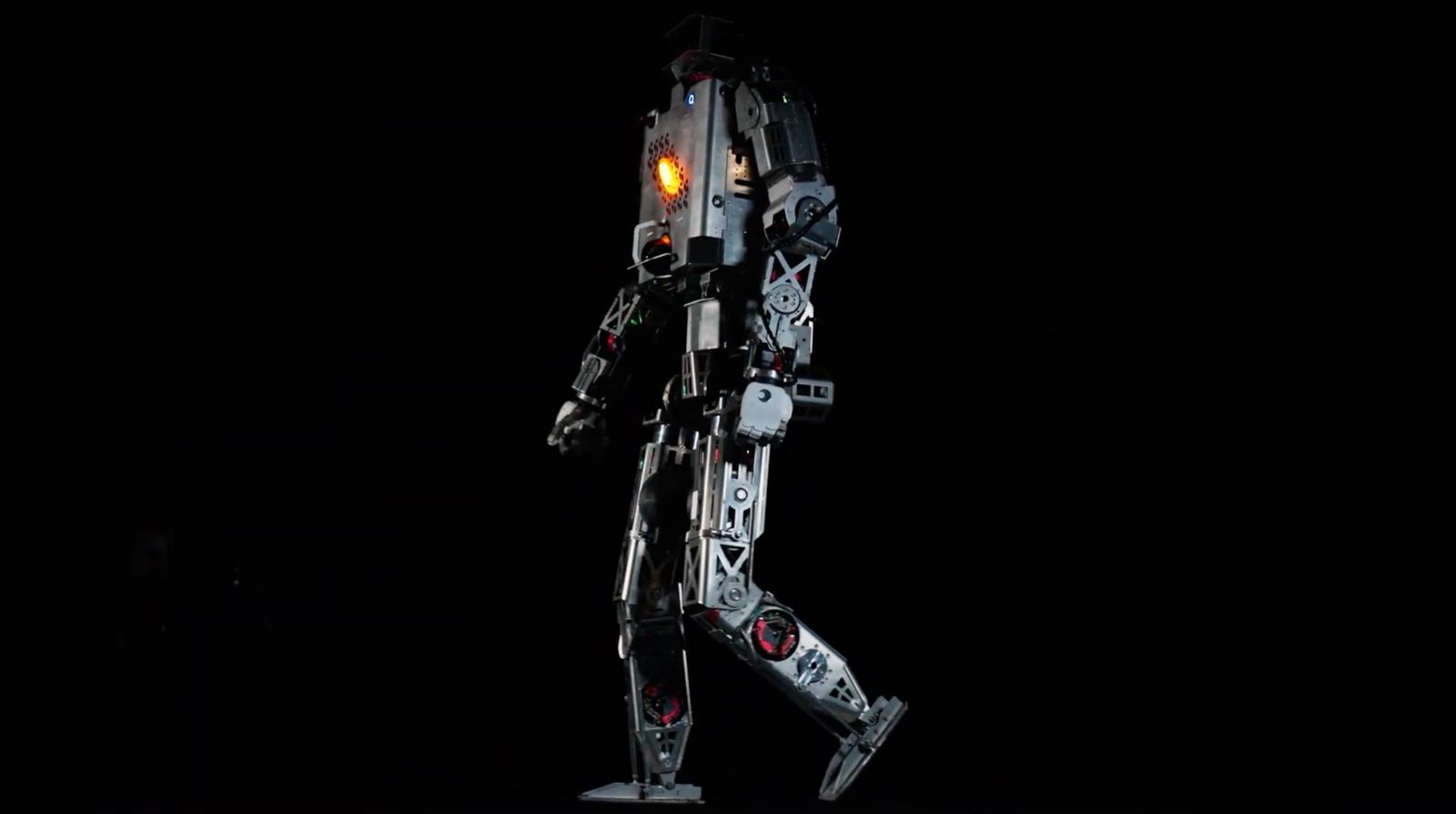
Roger, Minerva’s semi-autonomous humanoid prototype. Image: Minerva Humanoids.
Minerva Humanoids has raised approximately $10 million to develop Roger, a humanoid intended to let specialists work at dangerous sites without being physically present. The pre-seed round, announced on 6 October, was led by General Catalyst, alongside co-leads Long Journey Ventures and Credo Ventures.
Roger’s proposed role is specific: extend a trained person’s reach into oil and gas facilities and public-safety incidents. The company is preparing for paid pilots, while important work on the prototype’s readiness for harsh conditions remains unfinished.
Human judgement, at a distance
On Minerva’s website, the intended energy-sector tasks range from responding to gas alarms to inspecting equipment, reading gauges and spotting corrosion. Cameras relay the worksite to an operator’s headset. The promise is that a specialist can examine a problem and act on it from a safer location.
In an interview with Humanoids Daily, chief executive Sandor Felber described a division of responsibility: the person makes the critical decisions, while onboard AI supports balance and movement. He envisaged tasks such as manipulating valves and investigating suspicious objects using equipment and spaces designed for people.
That makes human control central to the proposed service. A successful demonstration would need to show more than a robot walking towards a task. Can the operator see enough, control the necessary movements and complete the intervention without someone having to enter the same hazardous area?
German hardware, with a North Sea pitch
Minerva says its first Roger prototypes are manufactured and assembled in Germany, with most software and AI development in the United States. It reports reaching a walking humanoid within five months and plans production in both countries. Co-founders Felber and Maurice Rahme bring experience from Tesla’s Optimus programme and Boston Dynamics respectively.
For UK and European readers, the offshore pitch is particularly relevant: the company’s oil and gas presentation explicitly uses a North Sea work shift to illustrate its ambitions. This is a proposed operating scenario; the funding announcement does not identify a North Sea customer or confirm a UK deployment.
Paid pilots are the next test
Humanoids Daily reports that Minerva plans its first paid oil and gas pilot for autumn 2026, with a target of converting pilots into operational service contracts in 2027. Felber also acknowledged that the hardware still needs greater protection against harsh conditions.
Communications are another practical consideration. He told the publication that Roger can adopt a safe pose if its connection is lost, but autonomous return to base remains in development. Those are different capabilities: stopping safely does not necessarily get a stranded machine out of danger.
For prospective customers, the useful evidence will come from sustained trials: which tasks Roger completes, how often people must intervene on site, and how it behaves when visibility or communications deteriorate. The funding gives Minerva resources to pursue that work. The pilots will determine how much of its safety promise can be delivered.