Robot intelligence, clearly tracked
Physical AI connects models, data, simulation and on-robot computing so machines can perceive, reason and act in the real world. Robot Harbour tracks the technology through primary sources, explicit access labels and last-verified dates.
Start here
How physical AI works
Perceive
Sensors and multimodal models turn images, force, sound and motion into an understanding of the scene.
Reason
Embodied models plan, use tools, track progress and decide when a robot should retry or stop.
Act
Vision-language-action models and control systems translate intent into safe, precise physical movement.
Platform profiles
Models and development stacks
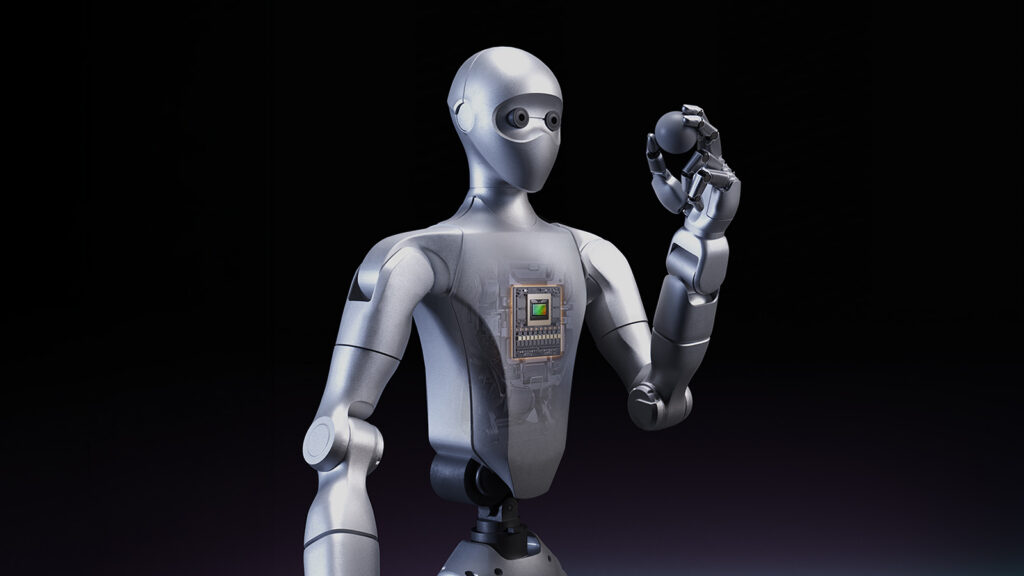
Open weights · NVIDIA
NVIDIA Isaac GR00T
An open family of robot foundation models and full-stack workflows for humanoid reasoning, learning and deployment.
View platform profile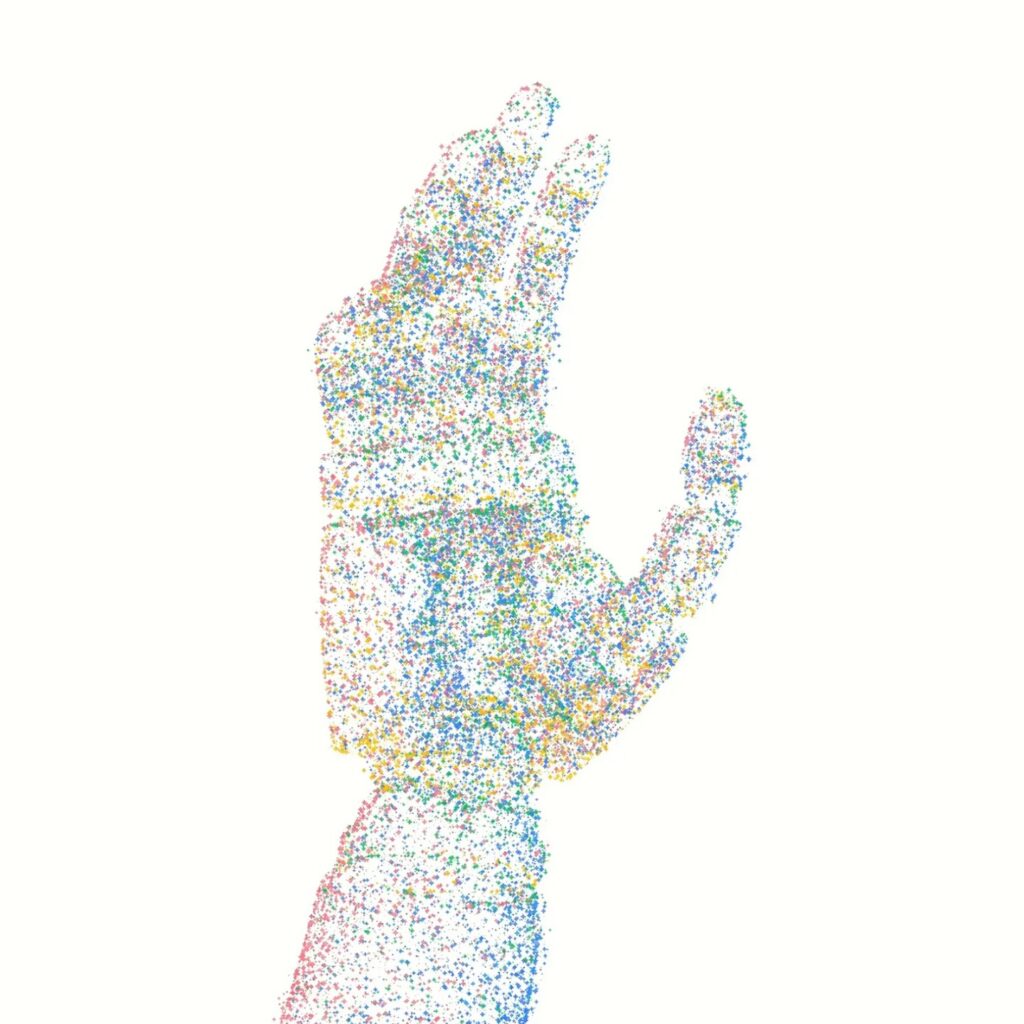
Private preview · Google DeepMind
Gemini Robotics 2
A VLA model for robot action across tabletop systems, arms and full humanoids.
View platform profile
Public preview · API
Gemini Robotics ER 2
An embodied-reasoning model for physical understanding, planning and robot orchestration.
View platform profile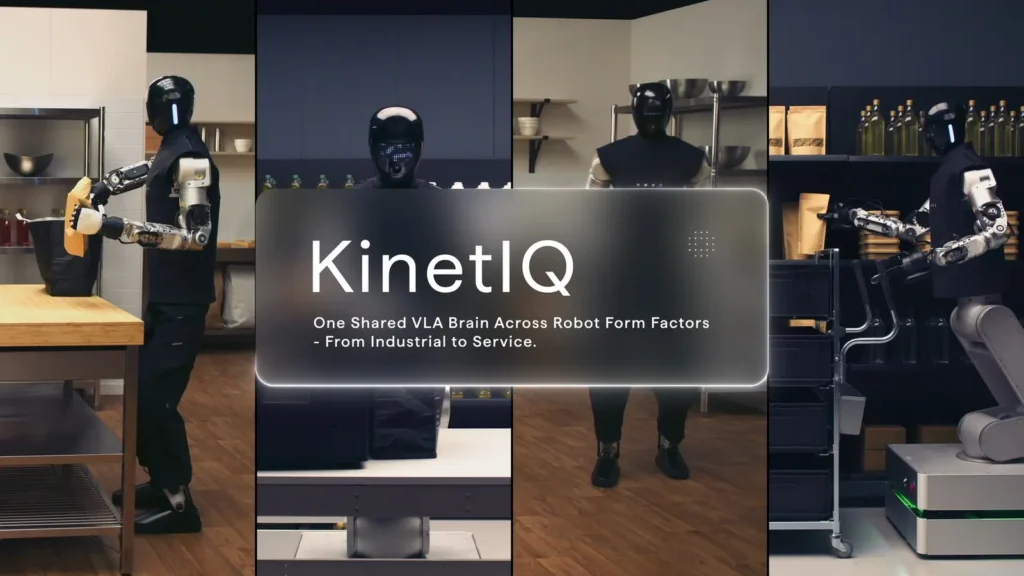
Proprietary · Humanoid
KinetIQ
A four-layer stack for robot control, VLA manipulation, task execution and multi-robot orchestration.
View platform profileCompanies
Building the intelligence layer

What we verify
Status, access and evidence
A model can be open, API-accessible, partner-only or an internal research system. A robot can be announced, piloting or shipping. Robot Harbour records those claims separately and keeps the primary source visible.
See our coverage method in the explainer